


Electric vs. Combustion: What Operators Should Weigh Before Switching Fleets
Every chauffeur operator eventually has the same conversation internally: is it time to add an EV to the fleet, or hold off for another vehicle cycle? The answer usually comes down to one thing more than any other, route profile, not ideology, budget, or brand preference. Here's a practical breakdown of where electric makes sense, where it doesn't yet, and what to actually check before committing.
Range anxiety is a route problem, not a vehicle problem
The biggest hesitation operators have about going electric is almost always range. But range anxiety isn't really about the vehicle, it's about the unpredictability of the route. A corporate account with same-day, multi-stop, unscheduled bookings genuinely stresses an EV's range planning. An airport transfer with a known pickup point, a known destination, and a booking made hours or days in advance doesn't.
Before ruling electric in or out, map your actual route mix. Fixed, pre-booked, short-to-medium distance work (airport runs, hotel-to-venue transfers, point-to-point city trips) is close to the ideal electric use case. Long-haul, on-demand, or highly variable work is a harder sell, at least until charging infrastructure and range both improve further.
Charging logistics matter more than charging speed
Operators new to EVs tend to focus on charger speed specs. In practice, what matters more is whether charging fits naturally into the gaps your schedule already has. A driver running airport transfers typically has downtime between bookings, whether that downtime lines up with charger access is the real operational question, not how many kilowatts a given charger delivers.
This is where route-based businesses have an advantage over on-demand ones: predictable schedules make it much easier to plan charging around existing idle time rather than treating it as a separate, disruptive task.
The passenger experience case is stronger than the cost case, at least early on
Fuel and maintenance savings are real, but they take time to show up on a balance sheet, and they vary a lot by market, energy prices, and how heavily a vehicle is used. What shows up immediately is the passenger experience: a noticeably quieter cabin, smoother acceleration from regenerative braking, no exhaust smell at pickup. For any operator whose business depends on a premium feel rather than just point A to point B, that's often the more persuasive argument in year one, before the cost savings have had time to accumulate.
A small operator case worth watching
Most electrification case studies come from large fleets with the capital to absorb early costs. It's worth paying attention to what smaller, single-market operators are doing too, since their constraints are closer to what most independent operators actually face.
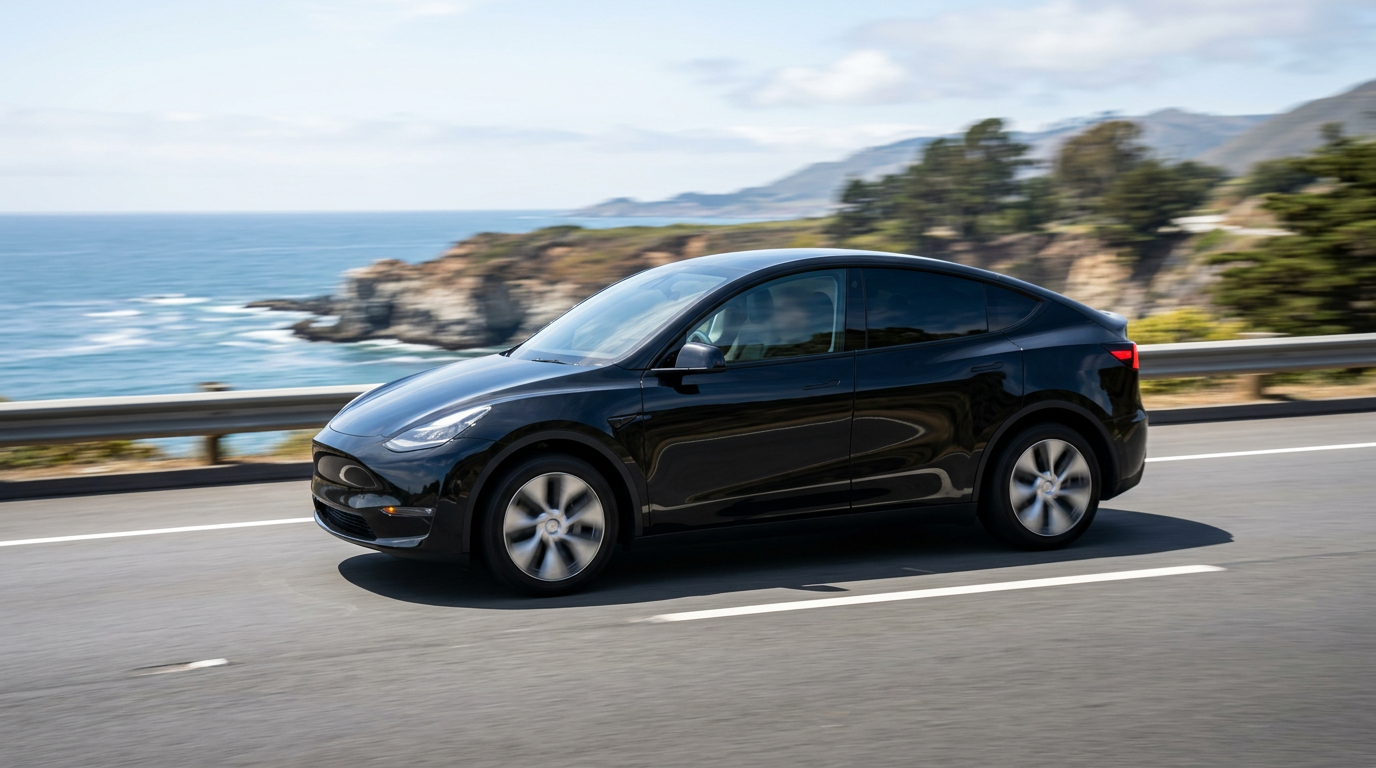
Costanova Transfer, a private transfer operator running airport routes across Spain's Costa Blanca, built its fleet entirely electric from the start rather than transitioning gradually, currently a mix of Tesla Model Y and Model 3 vehicles covering fixed-price transfers from Alicante and Valencia airports. It's a useful example precisely because it's not a flagship market for EV adoption, it's a seasonal tourism corridor, not a tech hub, which makes the underlying economics more representative of what a typical regional operator might actually face.
The practical checklist
Before switching any part of a fleet, it's worth working through a short list rather than a gut decision:
- What percentage of current bookings are short, pre-scheduled, and predictable versus long or on-demand?
- Where would charging actually happen, and does it conflict with active driving hours?
- What's the passenger mix, and how much does ride experience (versus price alone) drive repeat business?
- What's the realistic luggage and passenger capacity needed, and does that match the EV models currently available in-market?
None of this makes electric the right call for every operator immediately. But for the growing share of the industry running short, scheduled, predictable routes, the case is less about ideology and more about matching the vehicle to the work that's already on the books.
- Airport Transfers
- Corporate Travel
- Transportation Services
- Chauffeur Services
- Limo Transportation
- Private Tours
- Vehicles
- Transportation Business
- Art
- Causes
- Crafts
- Dance
- Drinks
- Film
- Fitness
- Food
- Juegos
- Gardening
- Health
- Home
- Literature
- Music
- Networking
- Other
- Party
- Religion
- Shopping
- Sports
- Theater
- Wellness
 Spanish
 English
 Arabic
 French
 Portuguese
 Deutsch
 Turkish
 Dutch
Dutch
 Italiano
 Russian
 Romaian
 Portuguese (Brazil)
 Greek
Greek